Articles
Why Juice?

There’s a reason fresh juice has become a beloved daily ritual. It’s simple, colorful, delicious, and one of the easiest ways to bring more fruits, vegetables, herbs, roots, and plant nutrients into your day.
Juicing is not about restriction, cleanses, or quick fixes; it’s about nourishment. A fresh juice can help you enjoy ingredients like leafy greens, cucumber, celery, carrots, beets, citrus, ginger, herbs, and seasonal fruits in an easy way that tastes great.
Of course, whole fruits and vegetables still matter. Fiber matters. Balanced meals matter. Juice is not here to replace those things; it’s here to support them. Think of juicing as a simple bridge between wanting to eat more plants and actually making it happen.
Why Plants Matter
Research continues to show that eating a variety of fruits and vegetables is linked to better overall health. Different colors of produce offer different vitamins, minerals, antioxidants, and plant compounds, which is why “eating the rainbow” is more than just a pretty phrase.
Green juices, beet juices, citrus blends, carrot-based juices, and herb-forward recipes all bring something different to your routine. The goal is not perfection—it’s variety. And juice can make that variety easier.
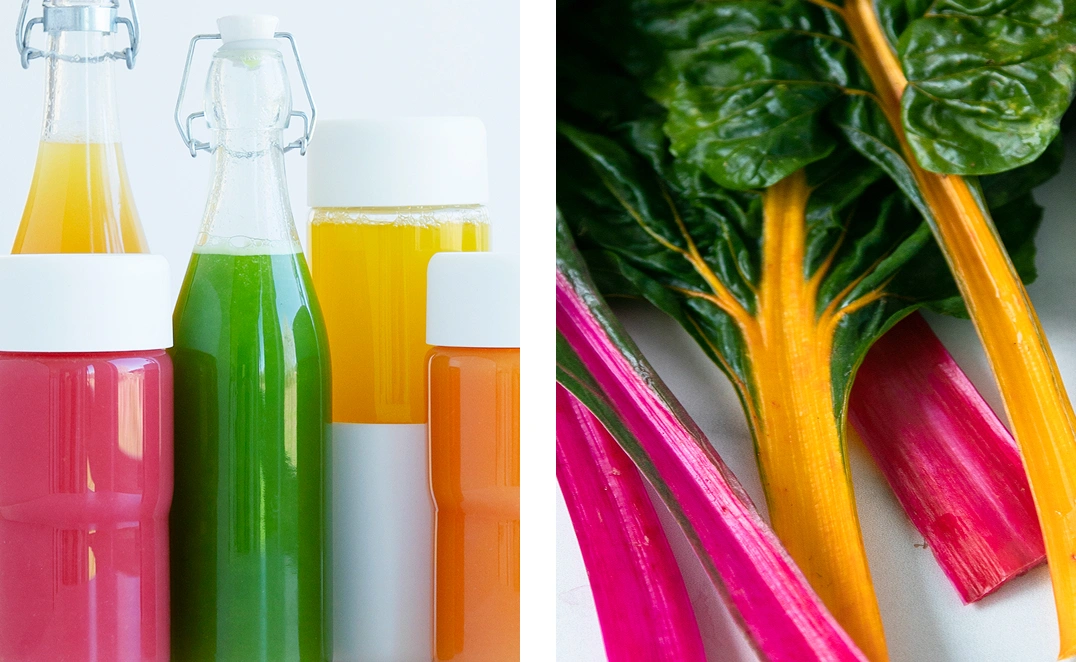
Add More Produce Without Overthinking It
Most of us know we should eat more fruits and vegetables. The harder part is doing it consistently. That is where juice can help.
In one glass, you can combine ingredients you may not normally eat together: cucumber, celery, spinach, lemon, ginger, green apple, carrot, beet, parsley, mint, or turmeric. It is a simple way to get more plants into your day without needing to cook, prep a full meal, or rethink your entire routine.
juicing for natural energy
Fresh juice can be a refreshing alternative to another coffee, soda, or sugary snack. Because fruits and vegetables naturally contain water, vitamins, minerals, and plant compounds, juice can feel hydrating and uplifting, especially when it's vegetable-forward and balanced with a little fruit for flavor. For a bright morning juice, try cucumber, celery, lemon, ginger, leafy greens, green apple, or pineapple.
Juice will not replace sleep, food, movement, or stress support. But it can be a small daily cue that helps you start with more intention.
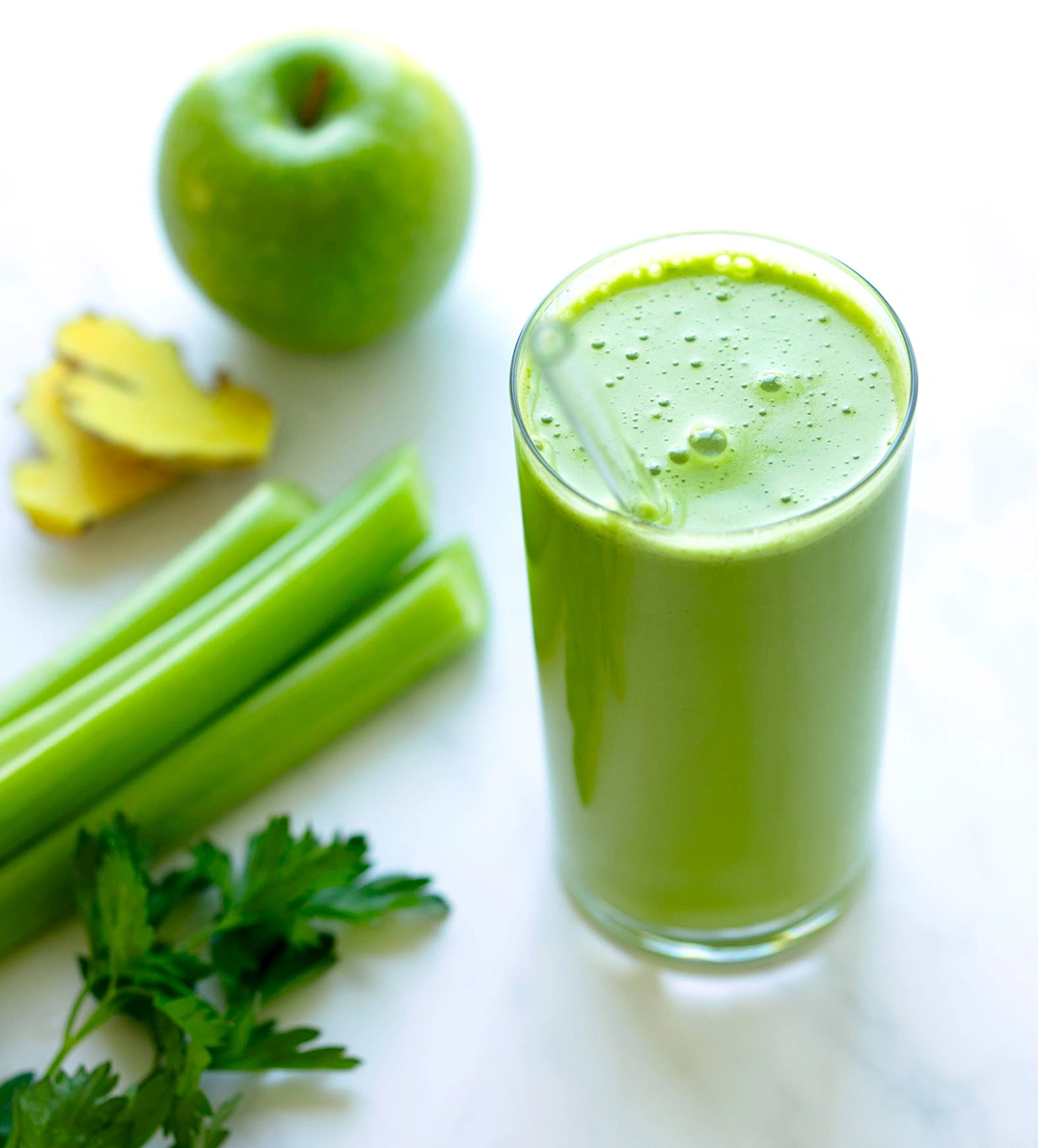
making hydration enjoyable
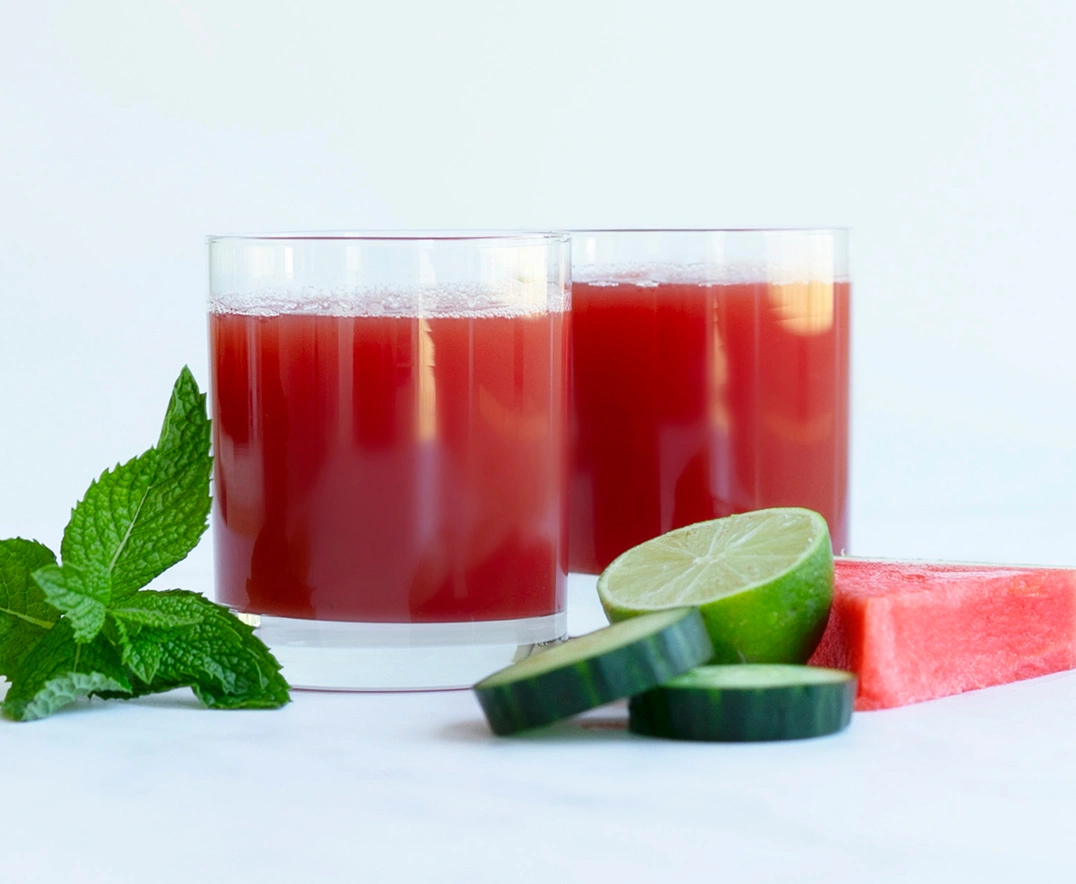
Many classic juicing ingredients are naturally water-rich, including cucumber, celery, citrus, watermelon, and romaine. For anyone who struggles to drink enough water, juice can make hydration more enjoyable.
Try cucumber, lime, and mint for something cooling, watermelon and lime for something sweet, or celery, cucumber, and lemon for something crisp. Juice is not the only way to hydrate, but it can be a beautiful addition.
gut health support
Juicing removes much of the insoluble fiber found in whole fruits and vegetables, so it should complement a fiber-rich diet, not replace it.
That said, juice can still be part of a gut-friendly lifestyle by helping you increase your overall variety of produce. Ingredients like ginger, lemon, cucumber, mint, fennel, pineapple, celery, and leafy greens are often used in juices that feel light, fresh, and digestion-friendly.
The key is balance: enjoy juice alongside meals with fiber, protein, and healthy fats.
support healthy-looking skin
Skin health is influenced by many things: sleep, hydration, stress, hormones, sun exposure, skincare, and nutrition. Juicing supports the nutrition side by making it easier to enjoy produce rich in vitamin C, carotenoids, water, and antioxidants.
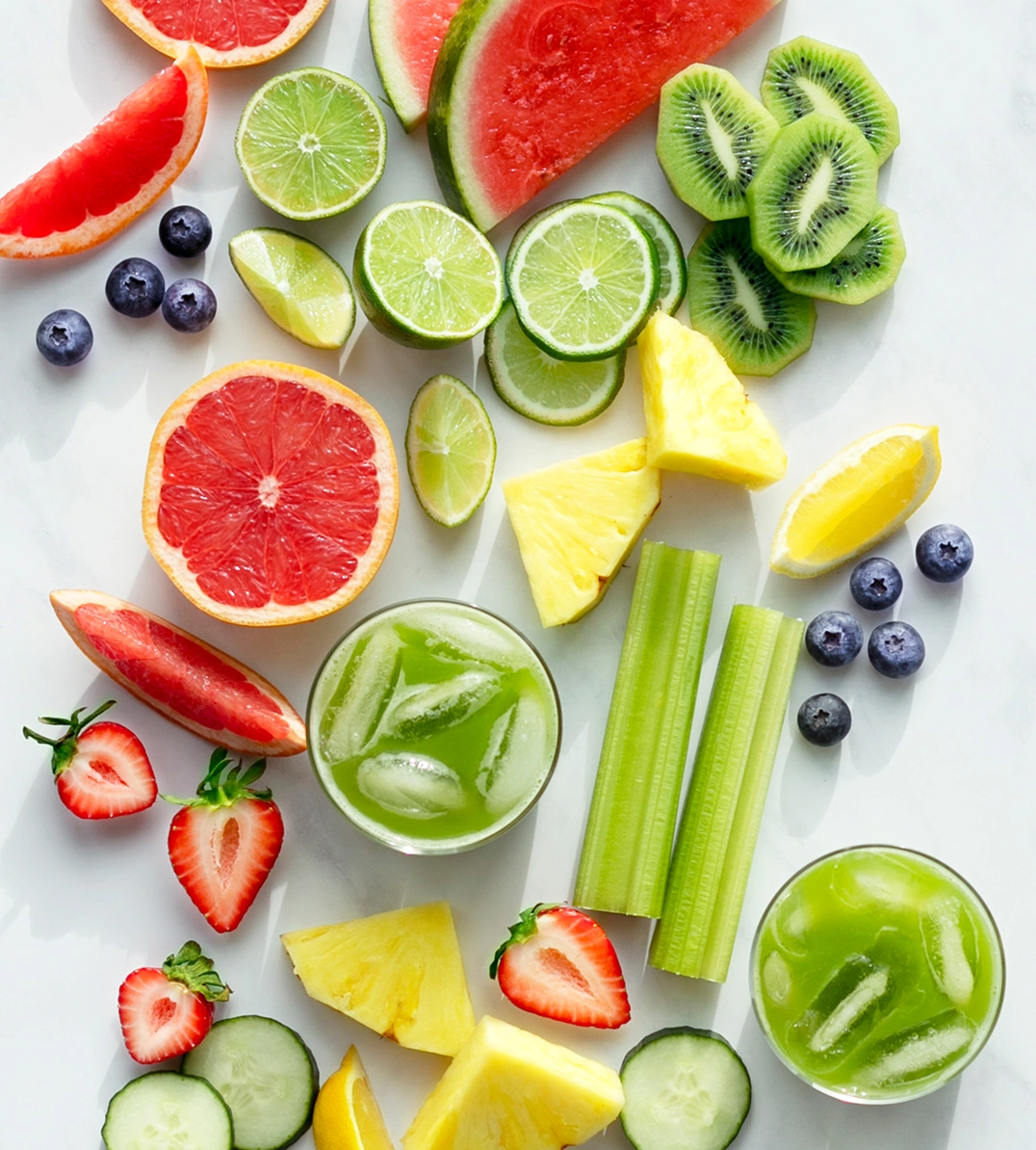
Citrus, kiwi, pineapple, strawberries, and leafy greens bring vitamin C. Carrots, oranges, and other red or orange produce bring colorful plant pigments. Cucumber, celery, and watermelon add hydration.
For a skin-supportive blend, try carrot, orange, lemon, ginger, and turmeric. Or go green with cucumber, celery, green apple, lemon, and mint.
movement and performance support
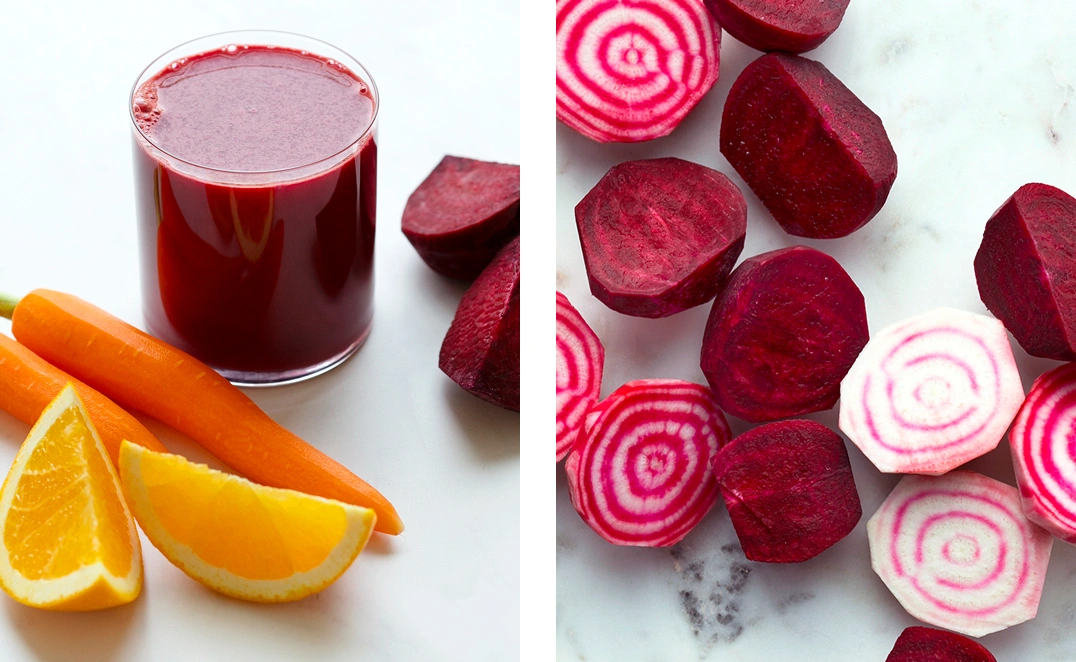
Beet juice has become especially popular with runners, cyclists, and active people because beets naturally contain dietary nitrates. Research suggests these nitrates may support blood flow and oxygen delivery, which is why beet juice is often used as part of a pre-workout routine.
Try beet with citrus, carrot, apple, or ginger for a workout-friendly blend. And as always, personalize it. Test new juices on regular training days, not right before a big race, event, or workout.
immunity support
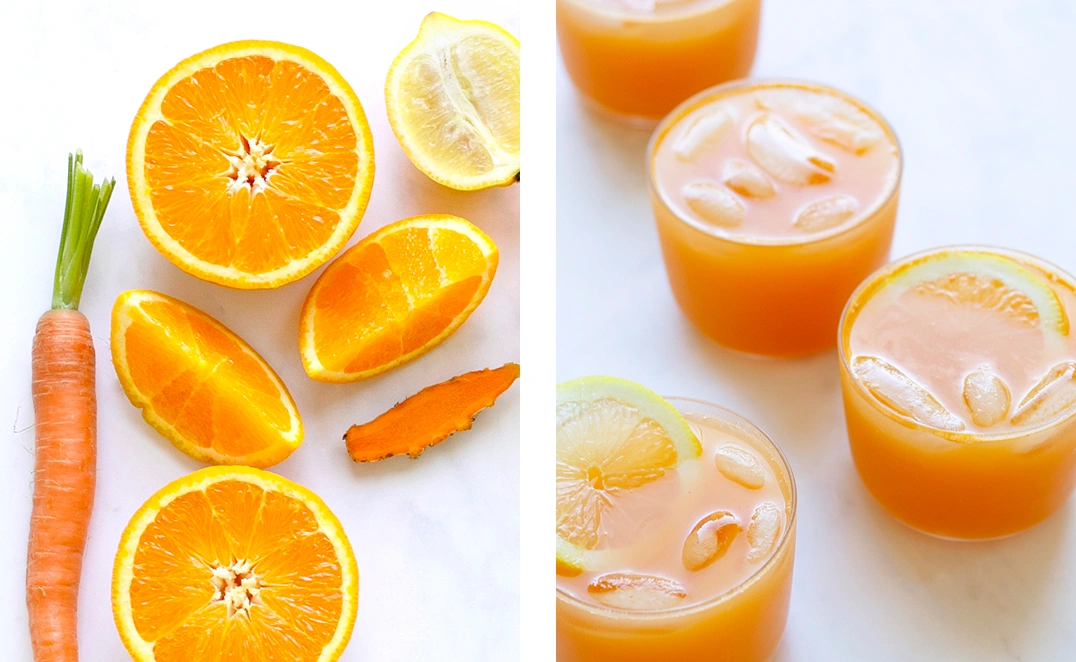
Your immune system relies on many nutrients, and fruits and vegetables are an important part of that picture. Citrus, kiwi, berries, peppers, leafy greens, carrots, herbs, ginger, and turmeric are all popular juicing ingredients because they bring bold flavor along with vitamins and plant compounds.
Try orange, carrot, lemon, ginger, and turmeric for a classic immune-supportive blend. Or go green with kale, cucumber, celery, lime, and green apple. Juicing regularly may not prevent illness, but it can help you consistently give your body more of the produce it needs to function well.
build a better juice
Start with something hydrating:
cucumber, celery, romaine, watermelon, citrus
Add vegetables:
leafy greens, carrot, beet, fennel, cabbage, pumpkin, cauliflower
Add fruit for natural sweetness:
apple, pineapple, orange, berries, pear, pomegranate, melon
Then add a flavor booster:
lemon, lime, ginger, turmeric, mint, parsley, basil, cilantro
vary your ingredients. Keep it colorful. Keep it simple.
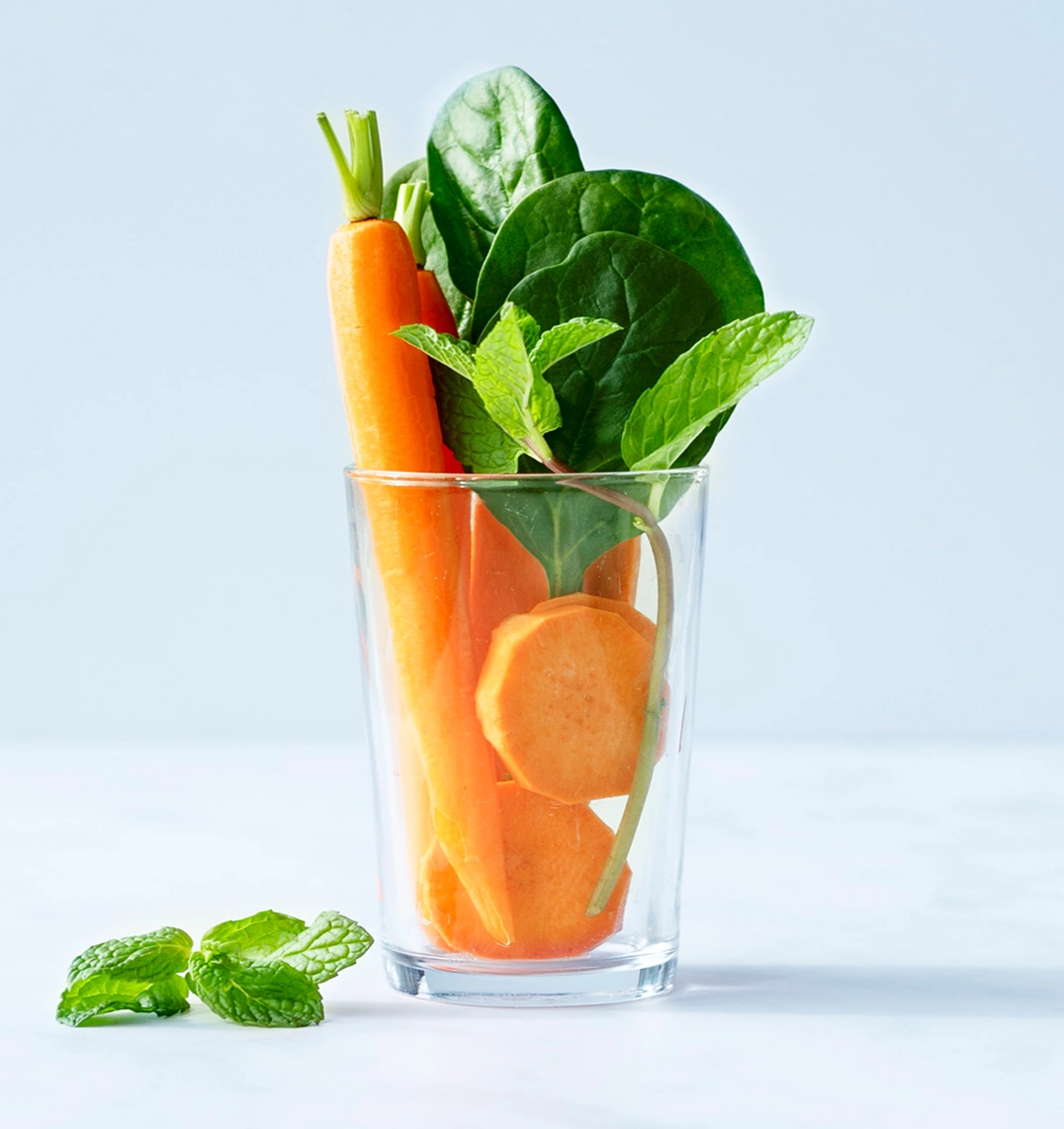
Juice by Function
For energy: apple, cucumber, celery, lemon, spinach
For hydration: watermelon, romaine, cucumber, lime, mint
For skin support: papaya, strawberry, orange, carrot, turmeric
For movement: beet, carrot, orange, lemon
For gut support: kiwi, pineapple, lemon, celery, ginger
For immunity: orange, carrot, lemon, ginger, turmeric
For relaxation: cucumber, celery, fennel, lemon, mint
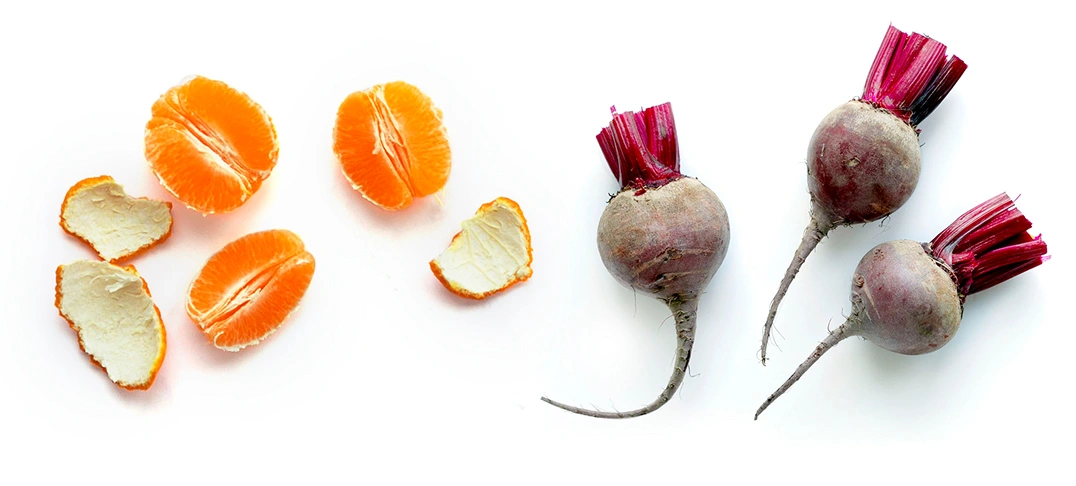
So, why juice? Juice because it makes eating more plants easier. Juice because it brings more color, hydration, flavor, and variety into your routine. Juice because it can support the way you want to feel: energized, refreshed, nourished, and more connected to your health.
Fresh juice is not a magic solution. But it is a simple, meaningful place to start. Sometimes a healthy habit really can be as easy as a few fresh ingredients and a few minutes in the kitchen.


- Choosing a selection results in a full page refresh.
- Press the space key then arrow keys to make a selection.
