Articles
Know What’s Really in Your Plant Milk

Take a moment the next time you pick up a carton of plant milk at the grocery store. Flip it over and read the ingredients.
You’ll often see oils, gums, stabilizers, emulsifiers, and added nutrients listed on the label. These ingredients play an important role in large-scale production. They help plant milk maintain a smooth texture, consistent flavor, and long shelf life as it travels from factory to warehouse to grocery store shelf.
That’s part of what makes plant milk so convenient and widely available.
But it also reveals something many people don’t always think about. Plant milk in a carton is rarely just the plant itself.
In many commercial plant milks, only a small percentage of the nuts or grains on the front label are actually used. The rest is mostly water, along with ingredients that help keep everything smooth and shelf-stable.
For many people, that convenience is exactly what they’re looking for.
But others are starting to ask a different question: What would plant milk look like if it were made the same way we make food at home? Simple, fresh, and made directly from the ingredients themselves.
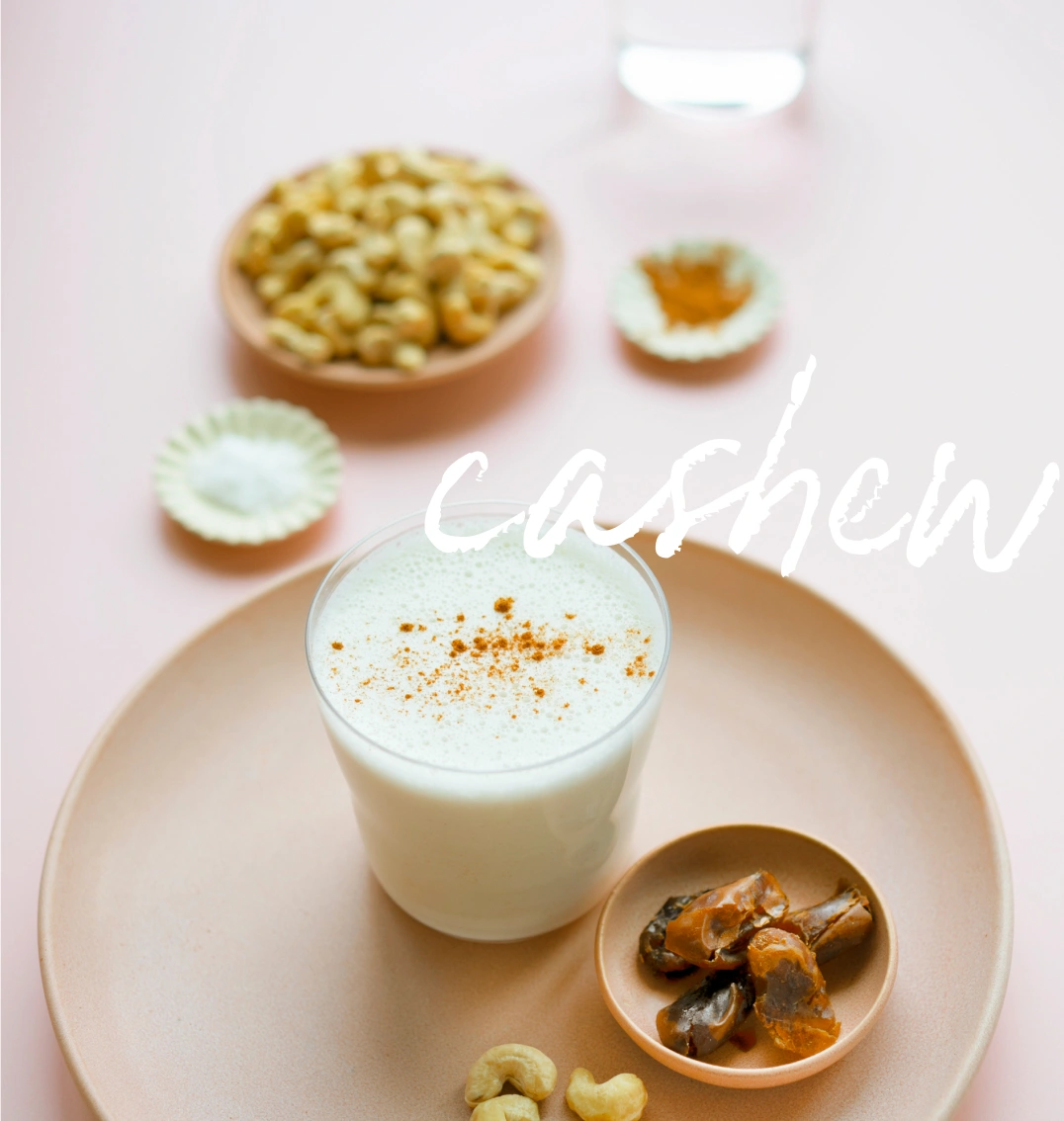
When You Make Milk Yourself
When you make plant milk in your own kitchen, everything becomes more transparent.
You see every ingredient before it goes in. You control the ratio of nuts, seeds, or grains to water. If you prefer a richer almond milk, you can add more almonds. If you want something lighter, you can simply add more water.
There’s no need for emulsifiers to prevent separation or oils to mimic creaminess. The texture comes directly from the ingredients themselves.
And because the milk isn’t designed to sit unchanged for months, it behaves naturally. Over time it may settle slightly in the fridge, and a quick shake brings it right back together.
That shift can be surprisingly satisfying. Instead of relying on a product engineered for long storage, you’re enjoying something that reflects the ingredients themselves.
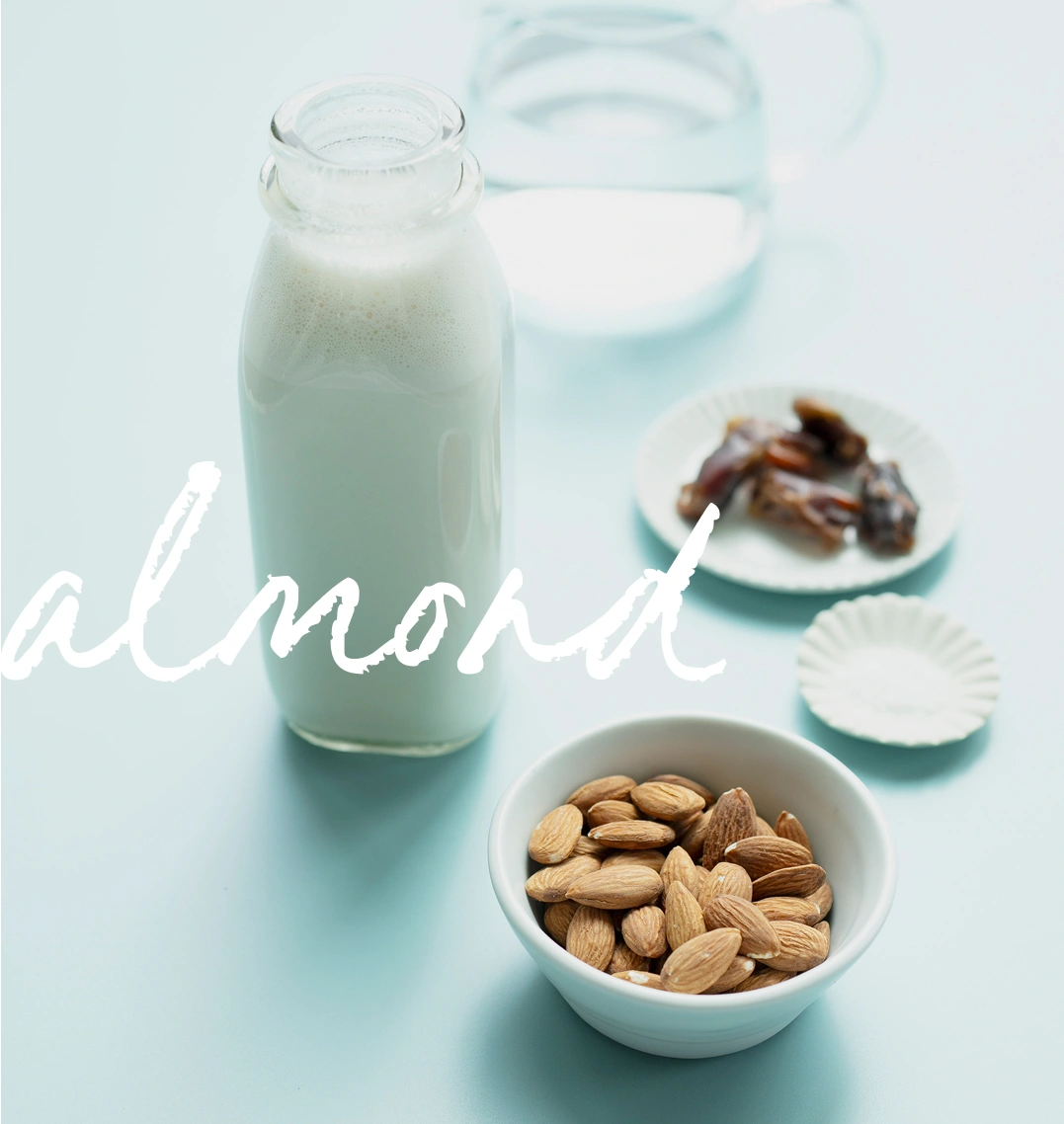
Why Many Cartons Add More Than Plants
Large-scale plant milk production has to solve several practical challenges.
Liquids made from nuts, seeds, and grains naturally separate. To prevent that from happening in the carton, manufacturers often add stabilizers such as gellan gum or sunflower lecithin.
The milk also needs to stay consistent after transportation and storage. Emulsifiers and oils can help create the creamy texture many people expect.
None of this is unusual in packaged foods. It’s simply the way products are designed for scale. But it does mean the ingredient list becomes longer and more complex than most people expect.
Making milk at home offers a different experience. Instead of relying on a long list of supporting ingredients. You’re working directly with the plant itself.
What the Ingredient List Can’t Show
Some plant milks contain as little as 2–5% of the nut or grain listed on the front of the package. The rest is primarily water and supporting ingredients that help shape the texture and stability of the final product.
When you prepare plant milk at home, the ratio becomes much more straightforward.
You’re working directly with the ingredient itself, blended with water in whatever balance you prefer. That means the flavor, texture, and richness come naturally from the plant rather than from added oils or stabilizers.
Many people notice the difference right away. Homemade milk often tastes fuller, creamier, and more vibrant because it’s coming directly from the ingredient itself.
A Very Different Ingredient List
Homemade plant milk, like what we love to make in the Nama M1, usually requires just a few components:
1 CUP NUTS, SEEDS, OR GRAINS
3–4 CUPS FILTERED WATER
OPTIONAL: DATES, VANILLA, OR SEA SALT
From there, the possibilities expand depending on what you use.
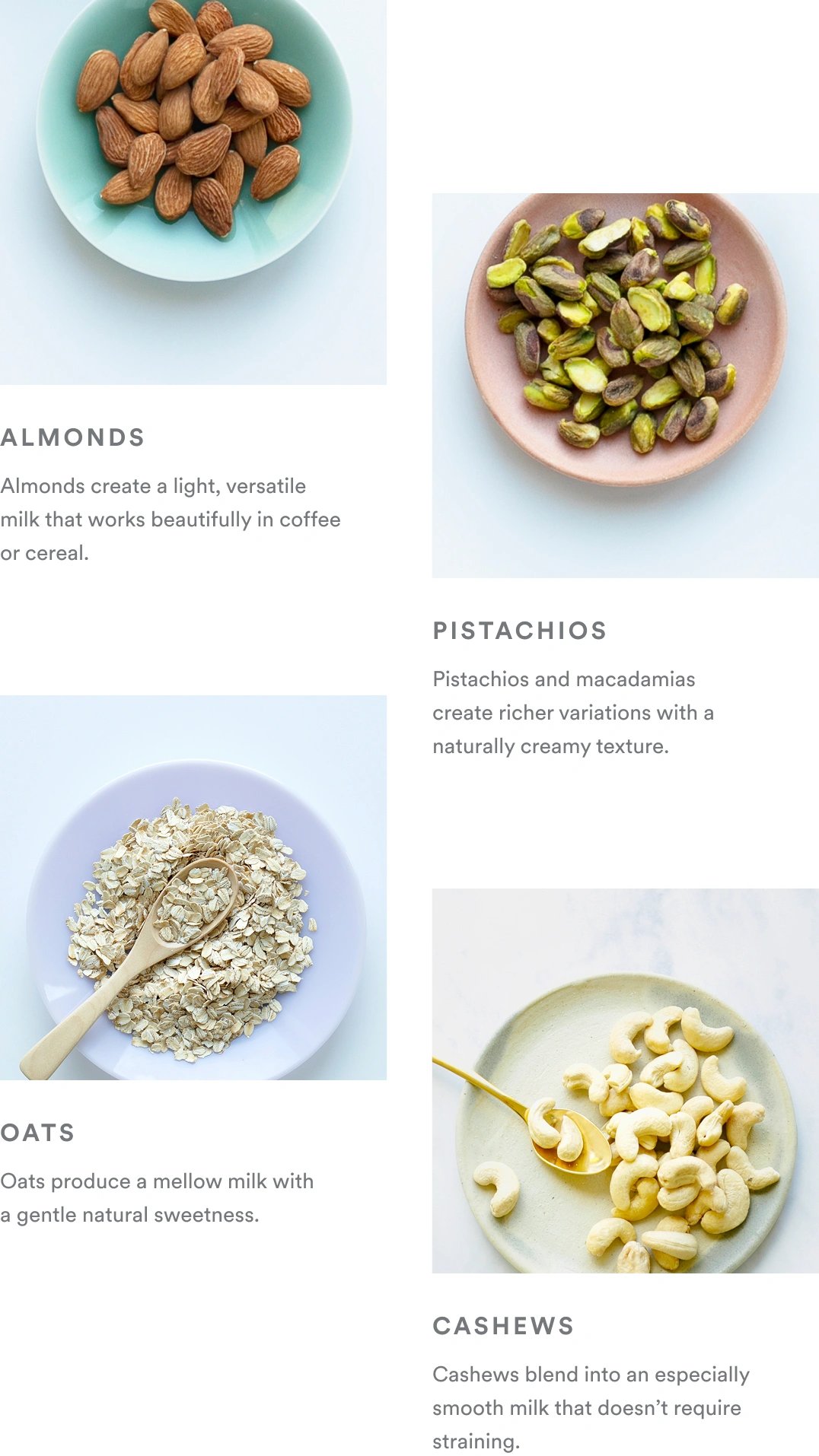
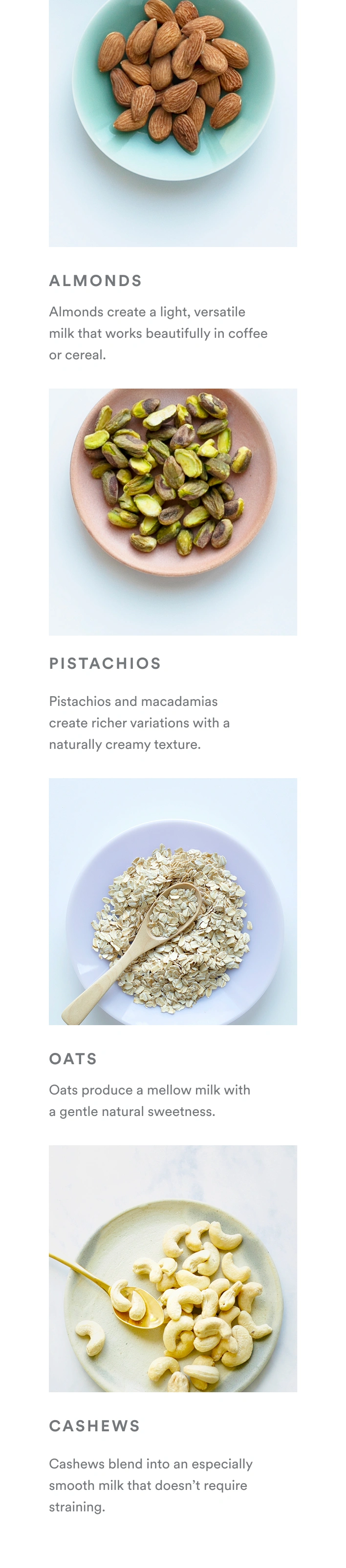
Because the process is simple, it’s easy to adjust the ratio to make thicker milk for coffee creamer or lighter milk for everyday use.
A Shift Toward Ingredient Awareness
Plant milk is one of those daily staples that often flies under the radar. It’s poured into coffee, cereal, smoothies, and recipes without much thought.
But once you start reading ingredient labels, it becomes clear how much processing is involved in turning plants and water into a shelf-stable product.
For many people, that small shift leads to richer flavor, more control over ingredients, and a deeper sense of connection to what they’re drinking every day.
Making It Easier
Traditionally, homemade plant milk required soaking, blending, straining, and cleanup, which made it feel like a weekend project rather than an everyday habit.
The Nama M1 Milk Maker was designed to simplify that process, allowing you to prepare fresh plant milk in minutes using the same ingredients you’d use at home.
We’re offering $70 off the M1 Milk Maker through April 27 as part of our focus on ingredient awareness and transparency in everyday foods.
Because sometimes the easiest way to know what’s in your milk is to make it yourself.


- Choosing a selection results in a full page refresh.
- Press the space key then arrow keys to make a selection.
